


Ready to plan your Tanzania trip?
Our team in Moshi is available to answer questions and put together a tailored itinerary.
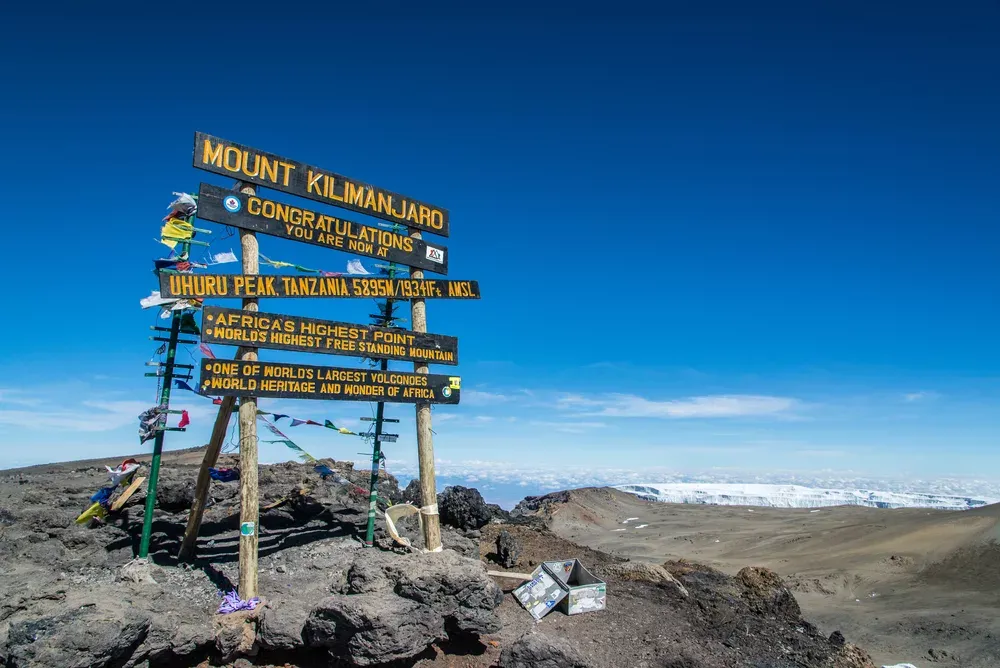
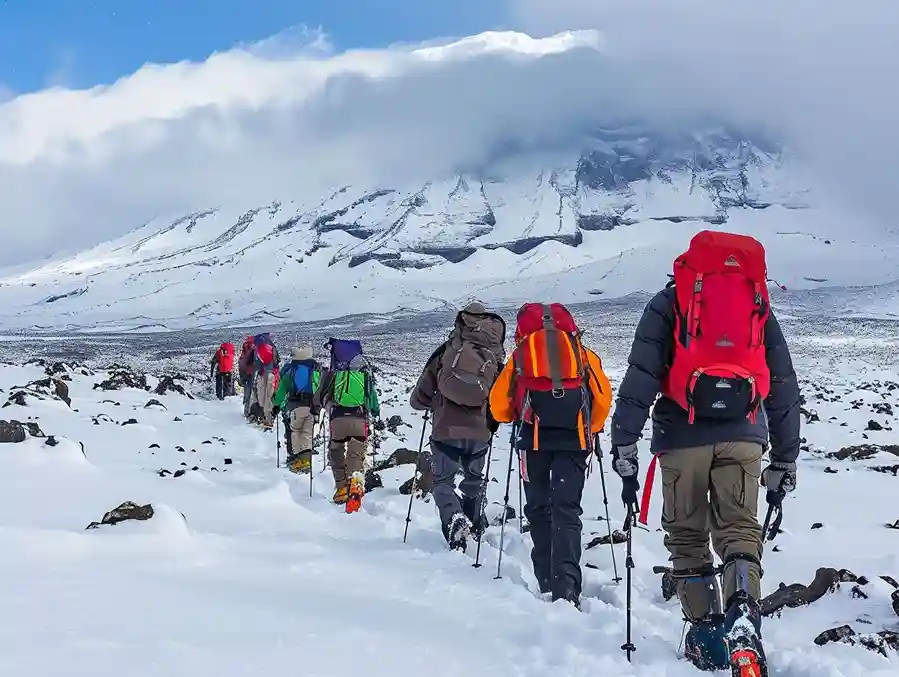
Kilimanjaro does not require technical mountaineering skills, but it does require sustained physical effort over 6-9 consecutive days at altitude. The summit attempt on most routes involves hiking 8-12 hours on the final day alone, starting at midnight in temperatures of minus 15 to minus 20 degrees Celsius. The single most important thing you can do to improve your summit chances - alongside choosing a longer route with good acclimatisation - is to arrive on the mountain in solid cardiovascular condition. You do not need to be an athlete, but you need a genuine aerobic base.
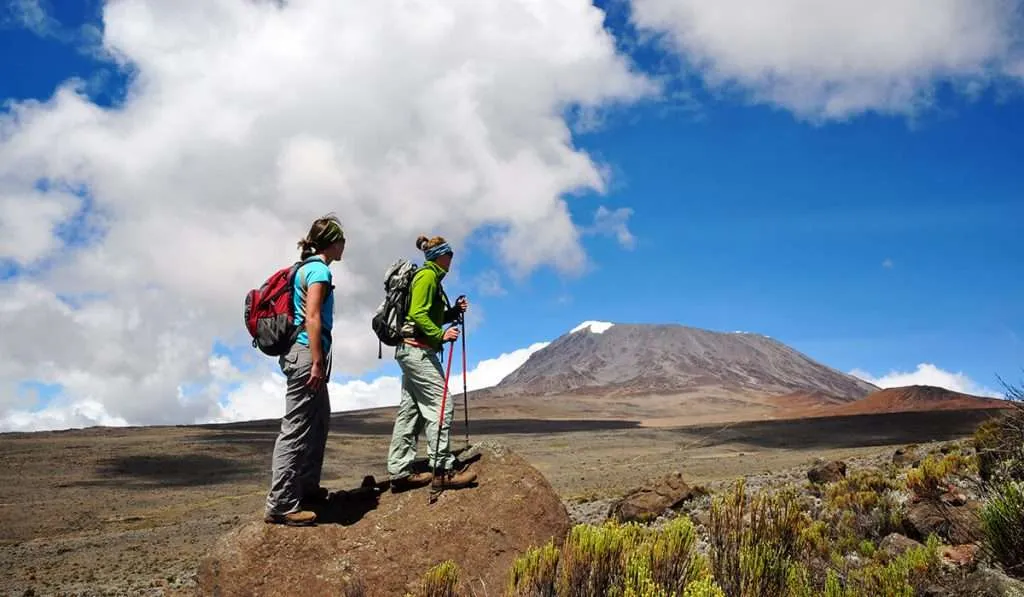
Build a cardiovascular base through any sustained aerobic activity: running, cycling, swimming, rowing, or hiking. The goal is to be comfortable exercising at moderate intensity for 3-4 hours continuously. Most people who struggle on Kilimanjaro struggle not because of acute fitness failure but because of cumulative fatigue over successive days. The best training for this is simply doing more consecutive days of moderate exercise in the months before the climb. Start with 3 sessions per week and build to 5-6 sessions by the final month before departure.
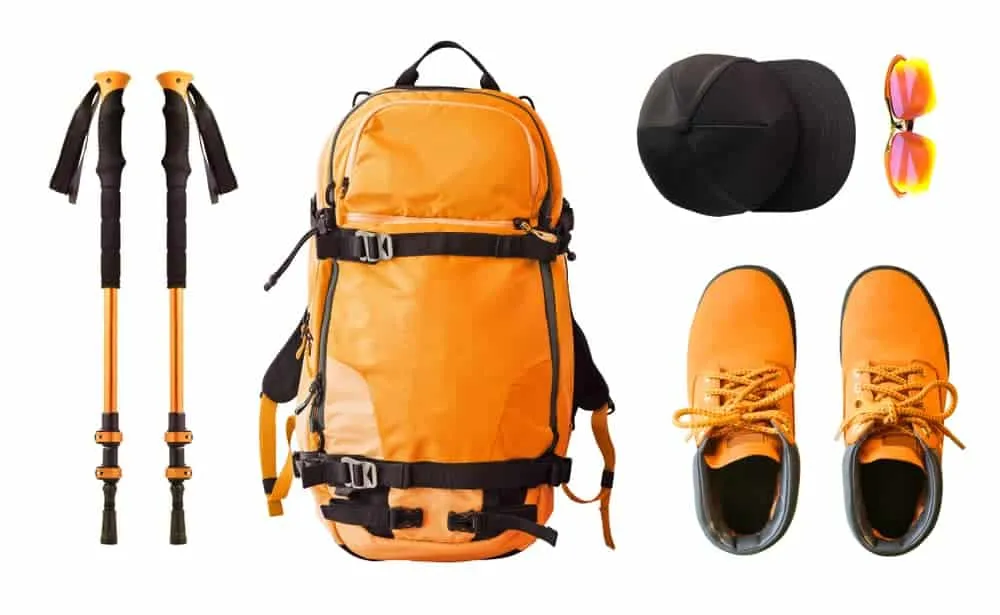
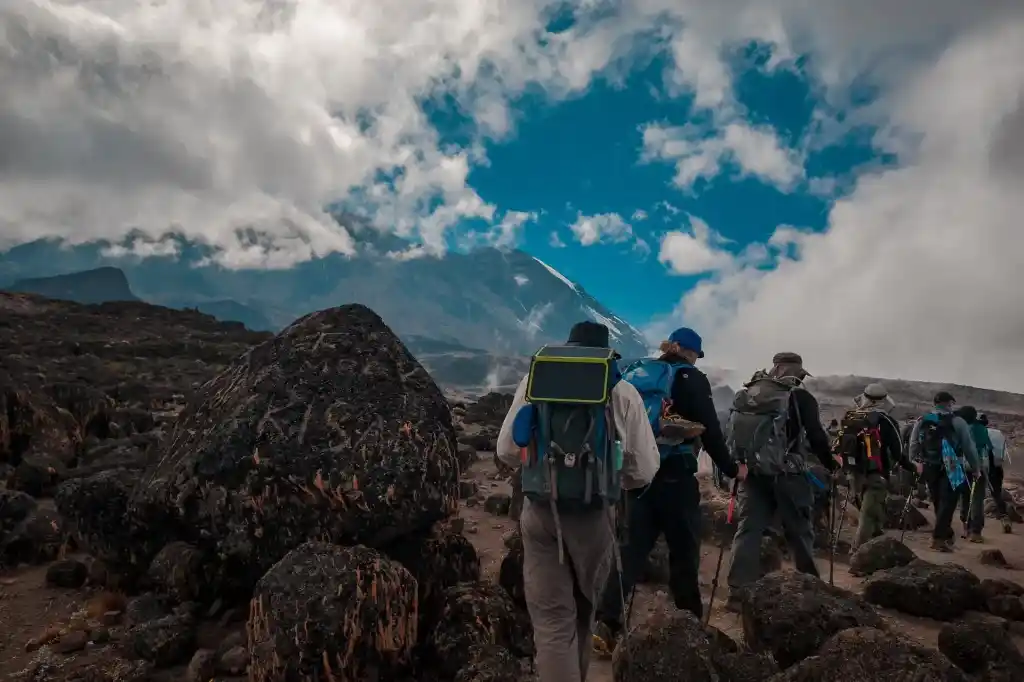
If you have access to hills or mountains, use them. Weekend day hikes of 4-6 hours with a loaded daypack are the most direct preparation for Kilimanjaro's daily hiking pattern. If you live somewhere flat, a stair machine at incline or a loaded treadmill at gradient is a workable substitute. Hiking in the boots you plan to use on the mountain is essential - you need boots fully broken in before you reach the Kilimanjaro gate. New boots on Day 1 is a reliable way to end your climb on Day 3.
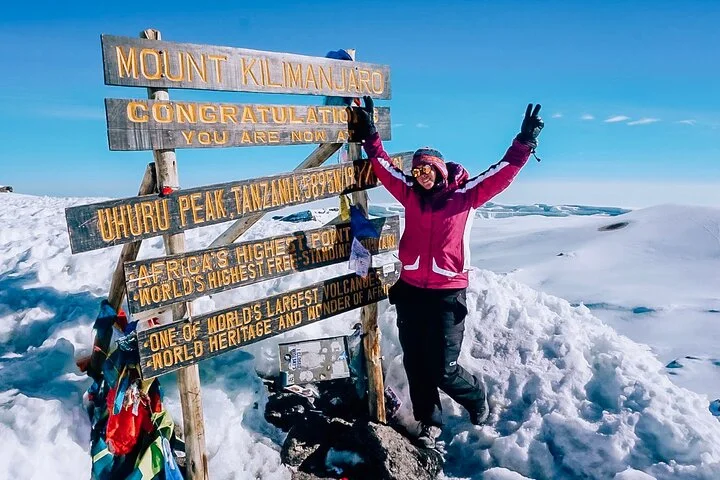
The descent from Uhuru Peak to Mweka Gate is long, steep, and hard on the knees - often the most physically punishing part of the climb. Single-leg squats, step-downs, and lunges build the quad and glute strength that protects knee joints on long descents. Trekking poles take significant load off the knees on downhill sections and are strongly recommended - practice using them during your training hikes so they become instinctive on the mountain.
Allow at least 3 months of deliberate training before your Kilimanjaro climb. In the first month, establish a base of 3-4 aerobic sessions per week and one longer weekend hike. In the second month, increase the duration and frequency of hiking and add strength work 2 days per week. In the third month, increase the difficulty of your weekend hikes and begin tapering the final 2 weeks before departure - keep moving but reduce intensity to arrive on the mountain rested rather than fatigued. Travelling directly from a rest day is better than arriving in Moshi the day after a hard training session.
Our team in Moshi is available to answer questions and put together a tailored itinerary.

Tanzania tour operator based in Moshi, Kilimanjaro. We arrange safaris, Kilimanjaro climbs, Zanzibar holidays, and day trips.
Road Taifa, Plot 16, Block C, Moshi CBD, Kilimanjaro, Tanzania