

Ready to plan your Tanzania trip?
Our team in Moshi is available to answer questions and put together a tailored itinerary.
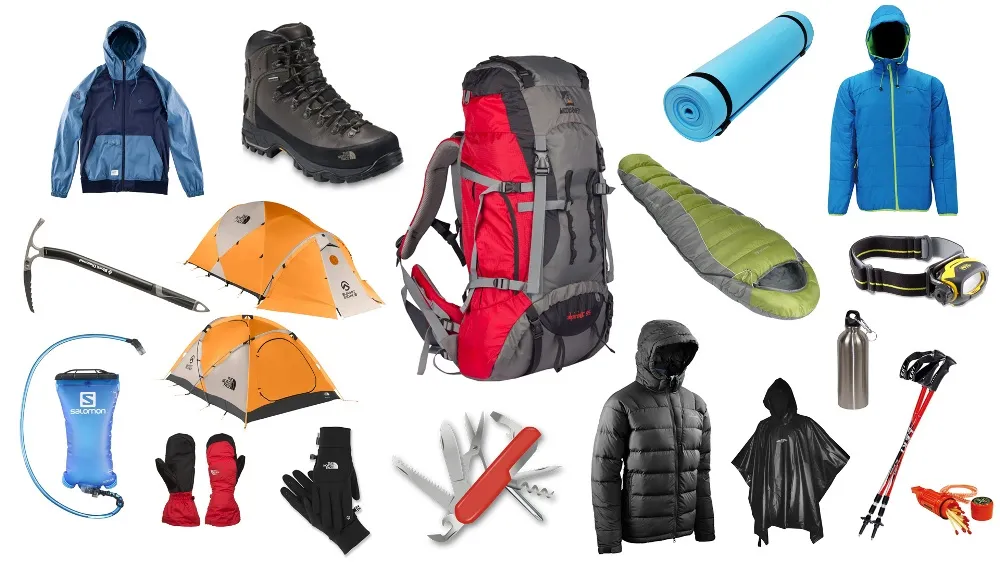
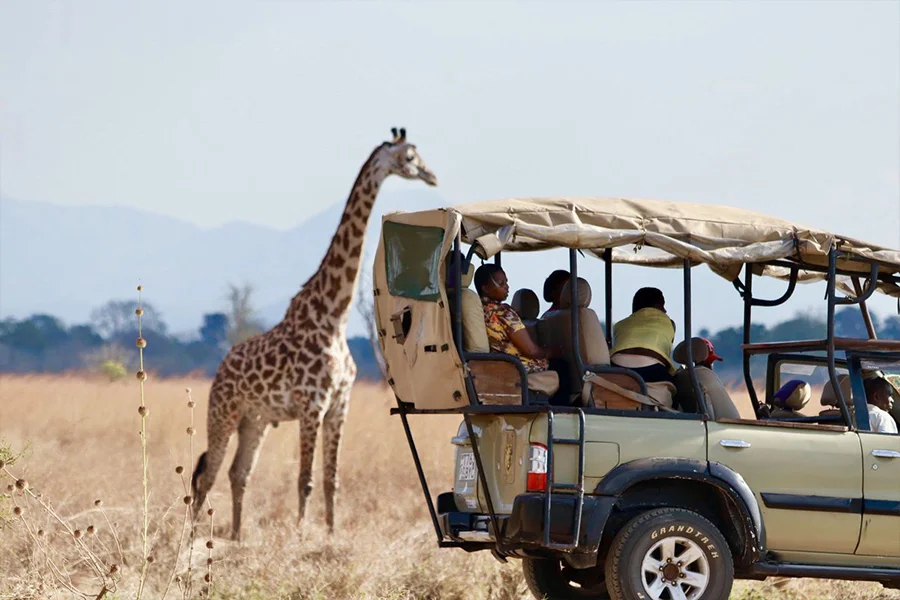
A Tanzania safari is fundamentally a vehicle-based experience - you spend most of your time in a 4WD with a pop-up roof, driving through the parks. Your packing list is simpler than for Kilimanjaro: the key priorities are appropriate clothing colours (neutral and khaki - avoid white and bright colours that disturb wildlife), a good pair of binoculars, and camera equipment with adequate storage. Luggage is practical rather than glamorous. Most safari camps and lodges have laundry facilities, so you do not need clothes for every day of the trip.
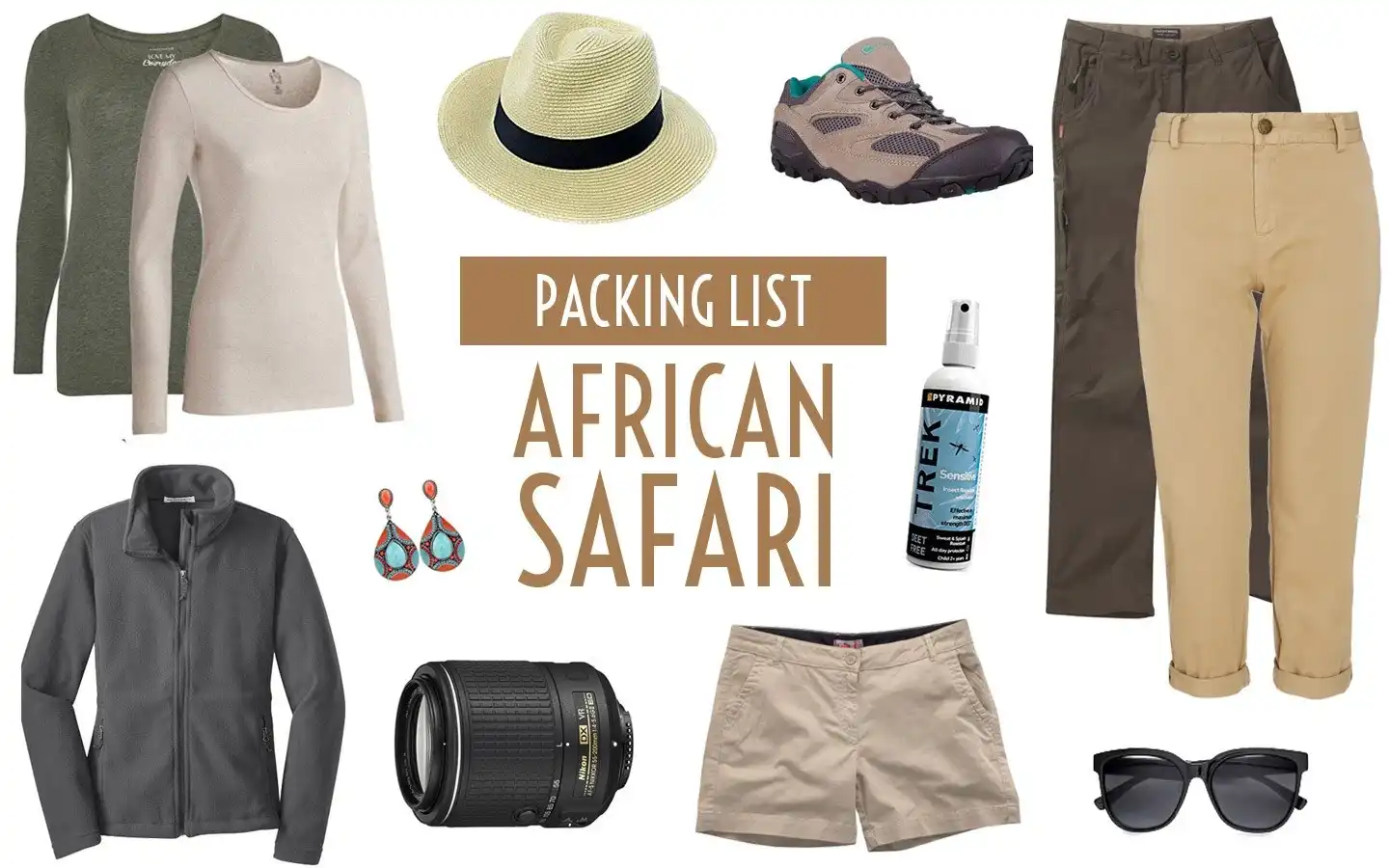
Wear neutral, muted colours: khaki, olive, beige, brown, grey. Avoid white (shows dust badly), black (too hot in the sun), and bright colours including blue (attracts tsetse flies in some areas). Mornings on the Serengeti and Ngorongoro can be cool - a fleece or light jacket for the open-roof vehicle is worth having. Afternoons are warm to hot. Long sleeves and trousers are recommended for morning drives for warmth and for some protection against insects at dusk. A wide-brimmed hat and sunglasses are essential for the open vehicle.
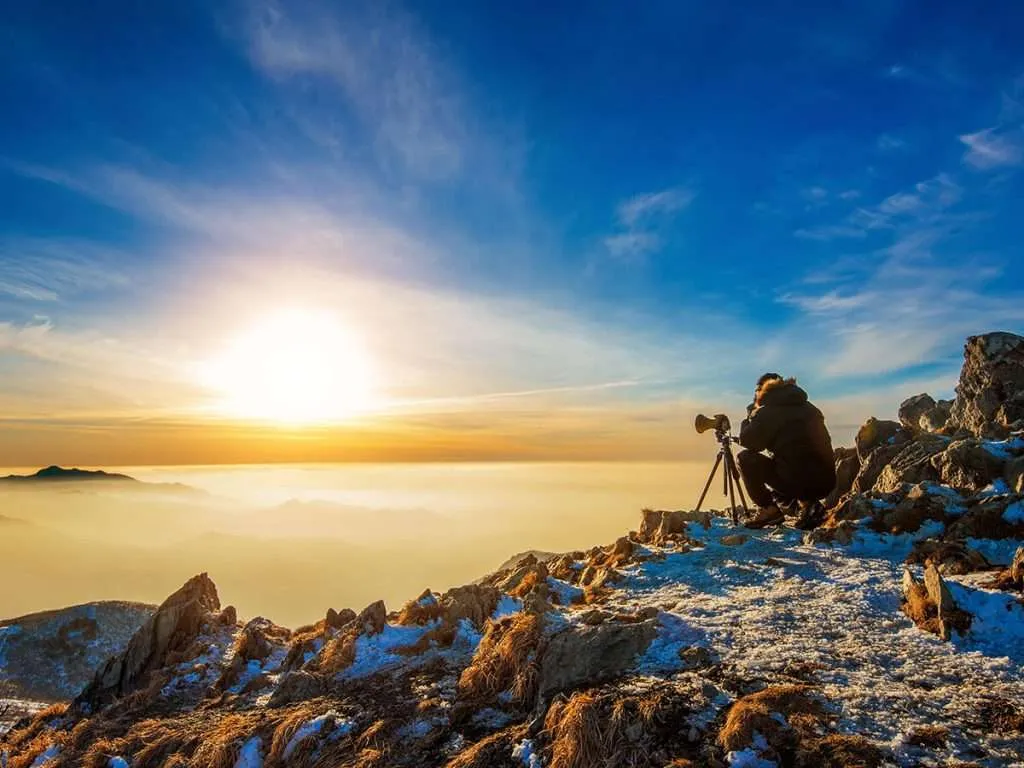
A pair of binoculars transforms the safari experience - 8x42 or 10x42 are the most practical magnification for game viewing in a moving vehicle. For cameras, a lens with at least 300mm focal length is needed for wildlife photography from vehicle distance. Bring more memory cards and batteries than you think you need - charging in the parks is not always reliable, and the Serengeti can produce hundreds of shots in a single morning. A bean bag or window mount for the vehicle door steadies a long lens far better than a tripod in the confined space of a safari vehicle.
Malaria prophylaxis is recommended for all areas of the northern circuit - consult your GP or travel health clinic well before departure to allow time for the medication to begin. Bring high-SPF sunscreen (the equatorial sun is intense), a good insect repellent containing DEET, antihistamine for insect reactions, and any personal prescription medications in sufficient supply for the trip duration plus a few extra days. Altitude is not a concern for the safari parks - the highest point on a northern circuit itinerary is the Ngorongoro Crater rim at approximately 2,300 m, which does not cause altitude sickness for most people.
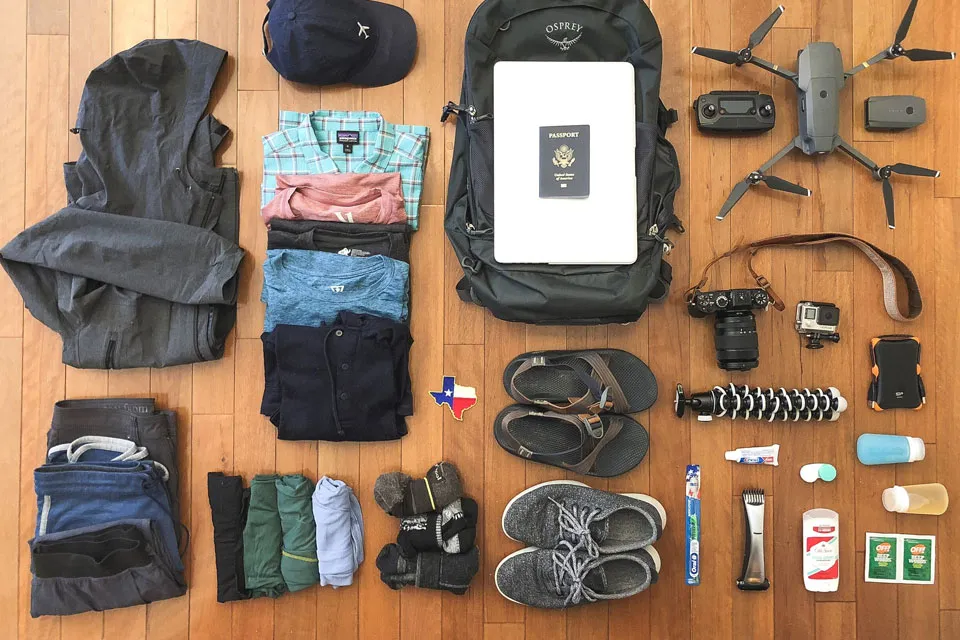
Avoid large rigid suitcases - they are difficult to load in safari vehicles and some small aircraft used for fly-in safaris have strict soft-bag-only and weight policies. A medium-sized soft duffel bag is the most practical option. Leave valuable jewellery at home. Drone flying requires a Tanzanian Civil Aviation Authority permit that is difficult to obtain and is not permitted in national parks without specific authorisation - do not bring a drone expecting to use it in the parks.
Our team in Moshi is available to answer questions and put together a tailored itinerary.
Tanzania tour operator based in Moshi, Kilimanjaro. We arrange safaris, Kilimanjaro climbs, Zanzibar holidays, and day trips.
Road Taifa, Plot 16, Block C, Moshi CBD, Kilimanjaro, Tanzania