

Ready to plan your Tanzania trip?
Our team in Moshi is available to answer questions and put together a tailored itinerary.
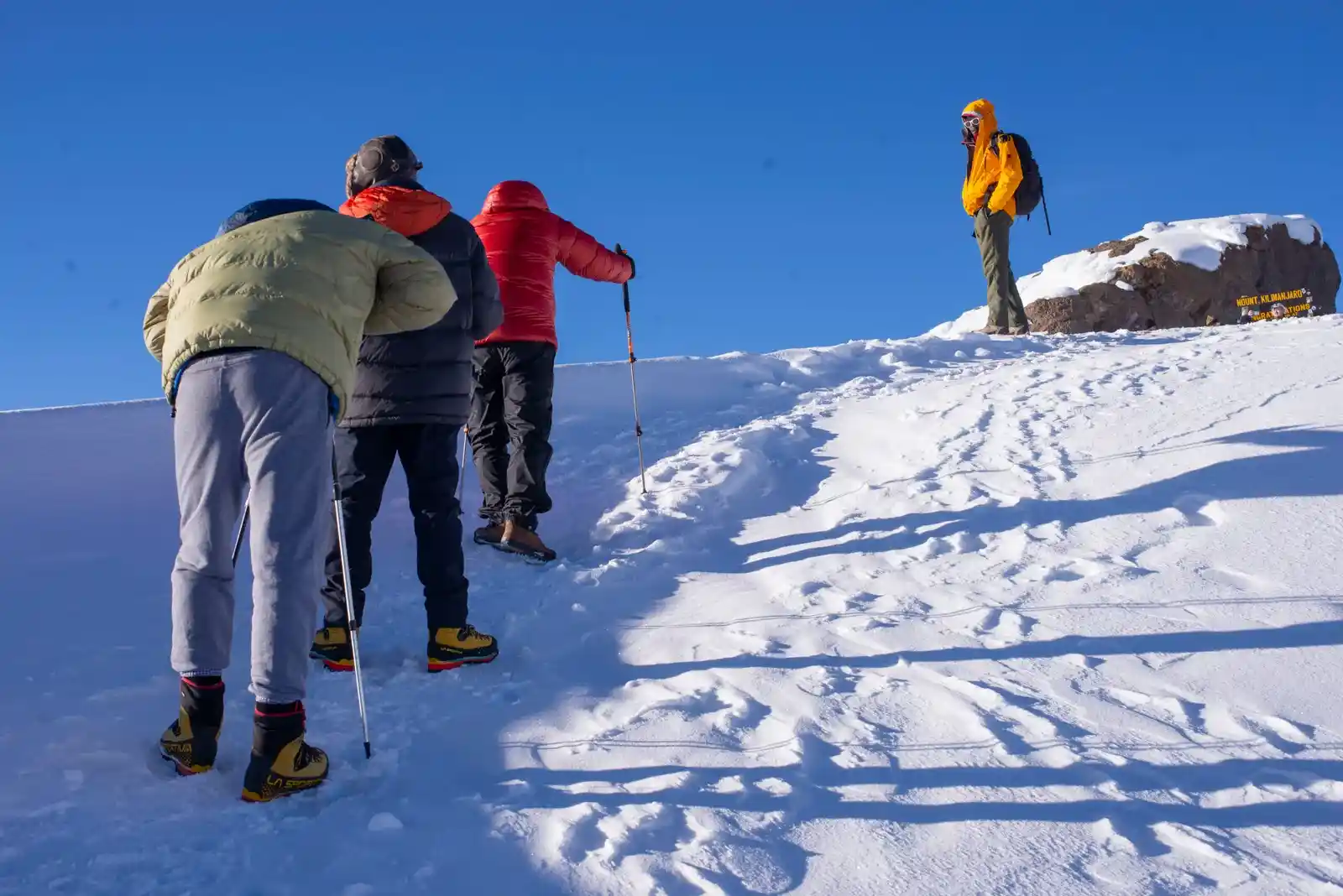
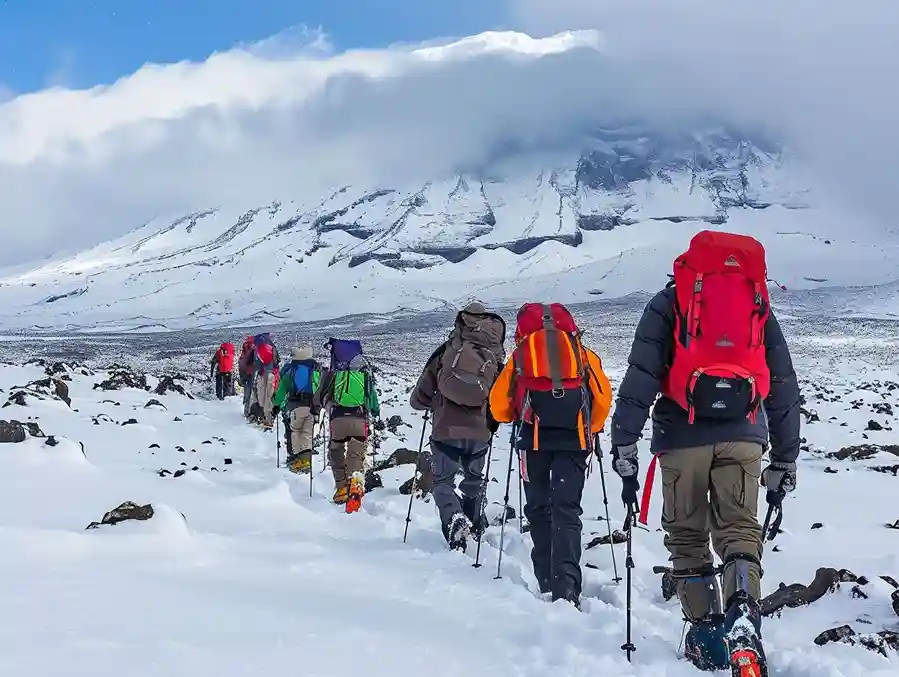
Altitude sickness is the single most common reason climbers do not reach Uhuru Peak. The mountain gains significant elevation quickly - even the longest routes go from roughly 1,800 metres at the gate to 5,895 metres at the summit in 7-9 days. The body needs time to adjust to lower oxygen levels at altitude, and when ascent is too rapid, the result is altitude mountain sickness (AMS). Understanding the symptoms, knowing how to respond to them, and choosing a route with adequate acclimatisation time are the most effective tools for managing altitude on Kilimanjaro.
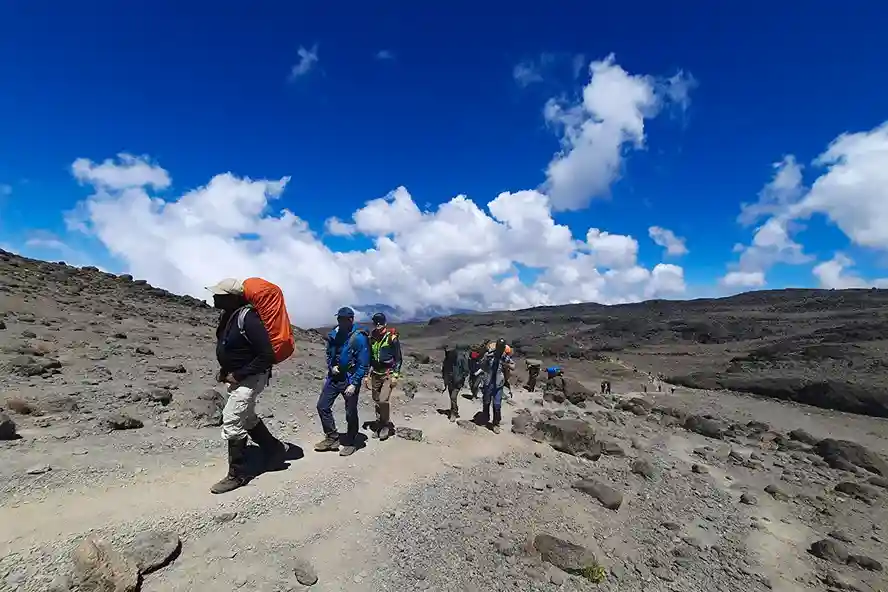
Acute mountain sickness (AMS) typically begins above 2,500 metres and includes headache (the most common symptom), nausea, fatigue, dizziness, loss of appetite, and difficulty sleeping. Mild AMS does not necessarily mean you must descend - rest and hydration at the same altitude often resolve mild symptoms within 12-24 hours. However, AMS that worsens or does not improve, or any symptoms of High Altitude Cerebral Oedema (HACE) - confusion, loss of coordination, severe headache not responding to ibuprofen - or High Altitude Pulmonary Oedema (HAPE) - persistent dry cough, breathlessness at rest, gurgling sounds in the chest - require immediate descent. Our guides are trained to recognise these signs and will make the descent decision if necessary.
The most effective prevention is choosing a route with adequate acclimatisation time and ascending slowly. The phrase used on the mountain is "pole pole" (Swahili for "slowly slowly") - a genuine instruction, not a tourist slogan. Routes that include acclimatisation days at intermediate altitudes have significantly higher summit success rates than those that push straight up. The Northern Circuit (9 days) and Lemosho (7-8 days) have the best acclimatisation profiles. Adding an extra day to any route improves your odds. The "climb high, sleep low" principle - going higher during the day and sleeping at a lower camp - is built into the better routes at key points like Lava Tower on the Machame and Lemosho routes.
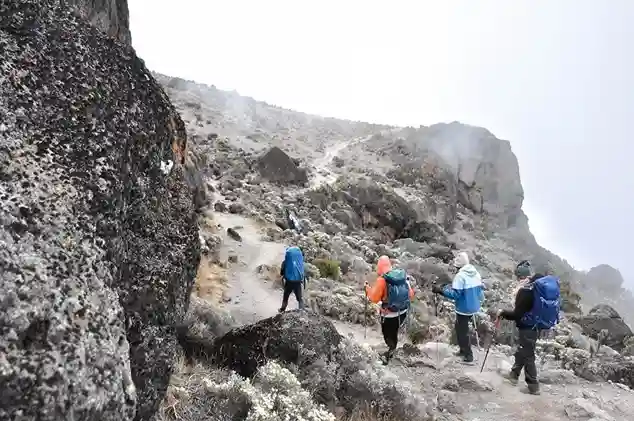
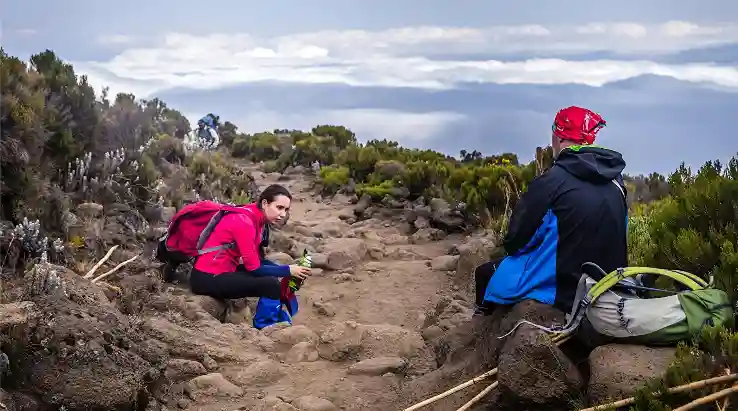
Staying well hydrated - at least 3 litres of water per day on the mountain - helps the body acclimatise and reduces headache severity. Avoid alcohol on the mountain as it dehydrates and can mask symptoms. Diamox (acetazolamide) is a prescription medication that some climbers use to aid acclimatisation. It works by stimulating deeper breathing, which raises blood oxygen levels. It is not a substitute for a proper acclimatisation profile and does not prevent severe AMS in everyone, but many climbers find it beneficial. Discuss it with your doctor well before departure as it requires a prescription and has contraindications for some people.
All Maluku guides carry a pulse oximeter and perform regular oxygen saturation checks at high camp. Oxygen saturation readings at altitude are used alongside symptom assessment to guide decisions. Our guides have the authority - and the instruction - to require a climber to descend if symptoms indicate HACE or HAPE, regardless of the climber's own wish to continue. This is non-negotiable. The mountain will be there another time; the consequences of ignoring severe altitude symptoms can be permanent. The Kilimanjaro rescue infrastructure is well established but a helicopter evacuation is not always possible due to altitude and weather - early descent on foot is almost always the safer option.
Our team in Moshi is available to answer questions and put together a tailored itinerary.

Tanzania tour operator based in Moshi, Kilimanjaro. We arrange safaris, Kilimanjaro climbs, Zanzibar holidays, and day trips.
Road Taifa, Plot 16, Block C, Moshi CBD, Kilimanjaro, Tanzania